




Home additions Charlotte NC have become the solution as the local market changes. Lot prices, mortgage rates, and the competition for the right house in the right school zone have made moving a much harder math problem than it was even five years ago. The good news is that most of the homeowners we meet do not actually want to leave; they want a different version of the home they already have. ReVision Design + Build was built for exactly that, and this guide walks through what a thoughtful project looks like, who it suits, what shapes the investment, and how the timeline really moves for families across Myers Park, Plaza Midwood, SouthPark, Carmel Forest, and beyond.
Home Additions in Charlotte NC: Expanding Your Space Without Moving
 default
Is a Home Addition the Right Move for You?
A home addition is the right move when you love your lot, your neighbors, and your school district, and the only thing standing between you and a “forever” home is square footage or layout. If two or more of the following are true, an addition deserves a serious look before you put your house on the market.
- Your family has grown, or aging parents are moving in, and you need a primary suite, a guest suite, or an ADU.
- You are working from home and a closet office no longer cuts it.
- Your kitchen, dining, and living areas feel cramped because the original 1970s or 1990s floor plan compartmentalized everything.
- You want a single-floor primary suite for long-term aging in place, but the existing footprint cannot absorb one.
- Comparable homes in your neighborhood are selling for far more than yours, which means the underlying land already supports a more substantial home.
When most of those boxes are checked, the conversation shifts from “should we move” to “what kind of expansion fits the way we want to live.”
What Shapes the Investment in a Home Addition
Every addition is different, which is why we never quote a number before we understand the home. Six variables drive the scope, the schedule, and the final investment range we share after our discovery process.
| Factor | Why It Matters |
| Scope | A bump-out for a larger primary closet is a different project than a two-story rear addition with a new primary suite above and an open kitchen below. |
| Square footage | New conditioned square footage drives framing, roofing, mechanical capacity, and finish quantities. More area also unlocks more layout options. |
| Layout changes | Tearing out load-bearing walls, relocating stairs, or moving plumbing stacks adds engineering and trade time even when the footprint is modest. |
| Material selections | Matching original brick, siding, roofing, windows, and trim is what makes an addition look like it has always been there. Higher-fidelity matches take more sourcing. |
| Fixtures and technology | Spa-style baths, smart-home wiring, dedicated HVAC zones, and high-performance windows raise both comfort and complexity. |
| Site conditions | Setbacks, easements, tree protection, slope, foundations, and the condition of the existing home all shape what is possible and what is required. |
Instead of starting with a number, we start with the outcome you want and the constraints of your lot. Once we have a defined scope, we share a transparent investment range so you can plan around real information rather than averages from another market.
Most Common Home Additions Charlotte NC Homeowners Choose
Charlotte homes come in a wide range of vintages and footprints, and the right addition depends on the bones you already have. These are the project types we are designing and building most often in 2026.
Primary suite additions
A primary suite addition is an extension of the home that adds a bedroom, bathroom, and walk-in closet built around the way the homeowners actually live. In 2026, most of our clients want the primary on the main floor for long-term aging in place, with a spa-style bath, a freestanding tub or curbless shower, dual vanities, and a closet sized for real life. Pairing this with a vaulted ceiling and a private outdoor connection is one of the most-requested layouts on our drawing boards.
See our companion pieceKitchen, dining, and living additions
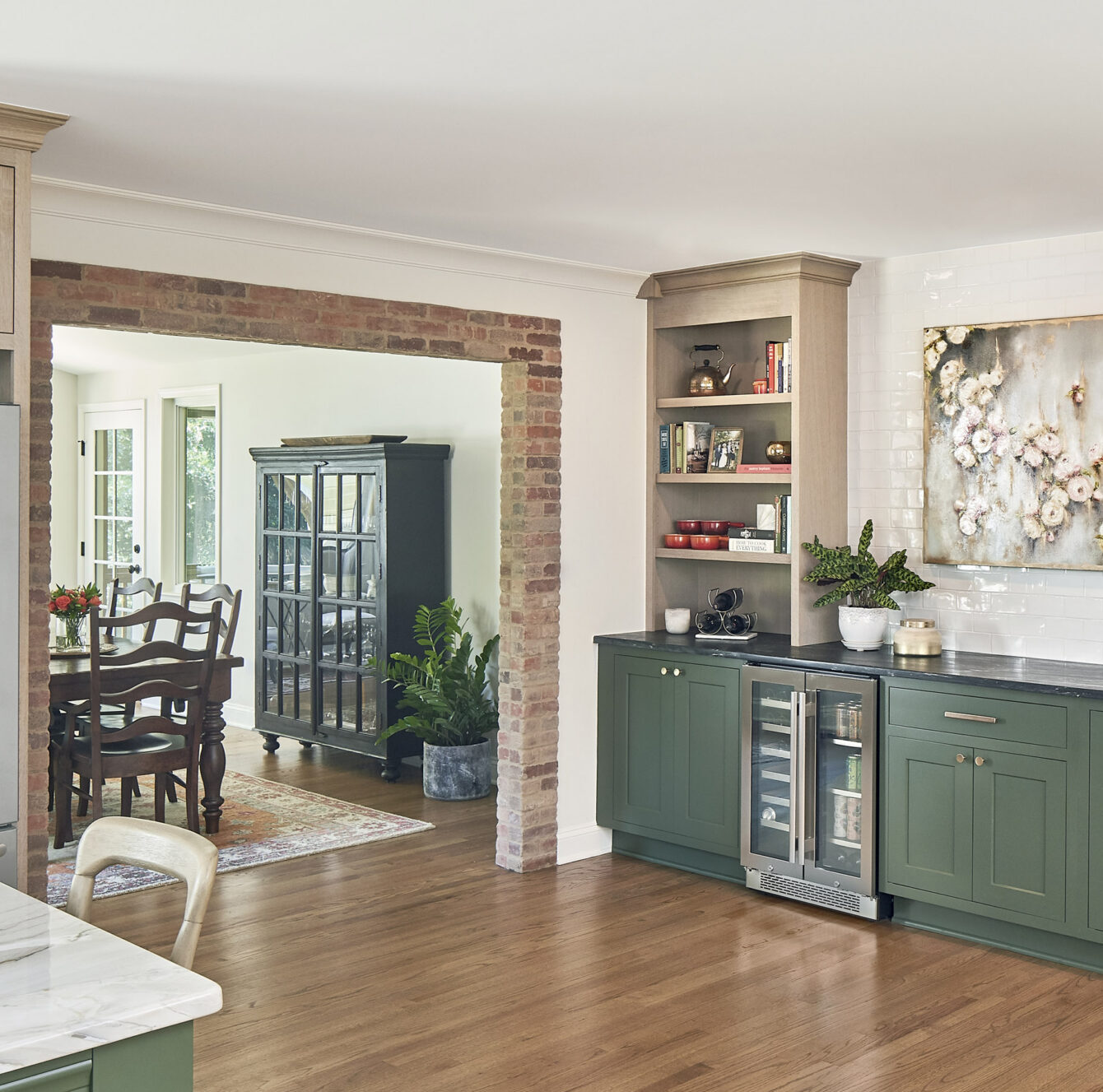
When the existing footprint chops up the main level, an addition off the back of the home can open the kitchen, dining, and family room into one connected zone. We pair this with structural work inside the original house so the new and old halves read as one space, not a wing tacked on.
Second-story additions
On tight in-town lots in Plaza Midwood, Dilworth, or Wesley Heights, the only direction left is up. A second-story addition adds bedrooms, baths, or a bonus suite above the existing footprint. It is the most engineering-heavy option, because it touches the existing foundation and load paths, but it preserves your yard and your tree canopy.
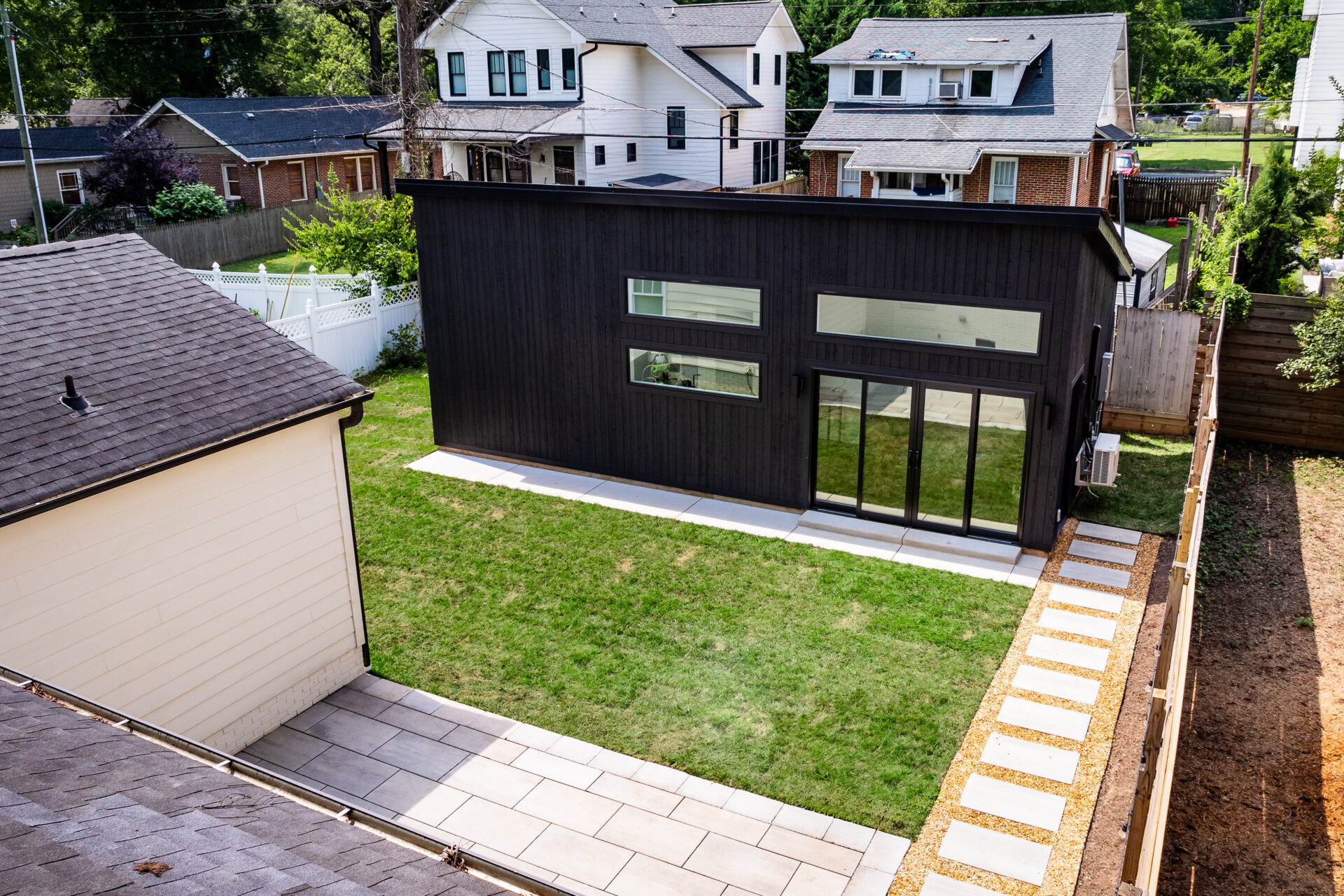
ADUs and detached suites
An accessory dwelling unit (ADU) is a fully independent living space, with its own kitchen, bathroom, and entrance, on the same lot as the primary home. ADUs work well for aging parents, adult children, long-term guests, or rental income. The City of Charlotte recently launched the Queen City ADU Program, offering qualifying homeowners forgivable financing to build an ADU rented at affordable levels, which has accelerated interest in detached suites and garage apartments across the city.
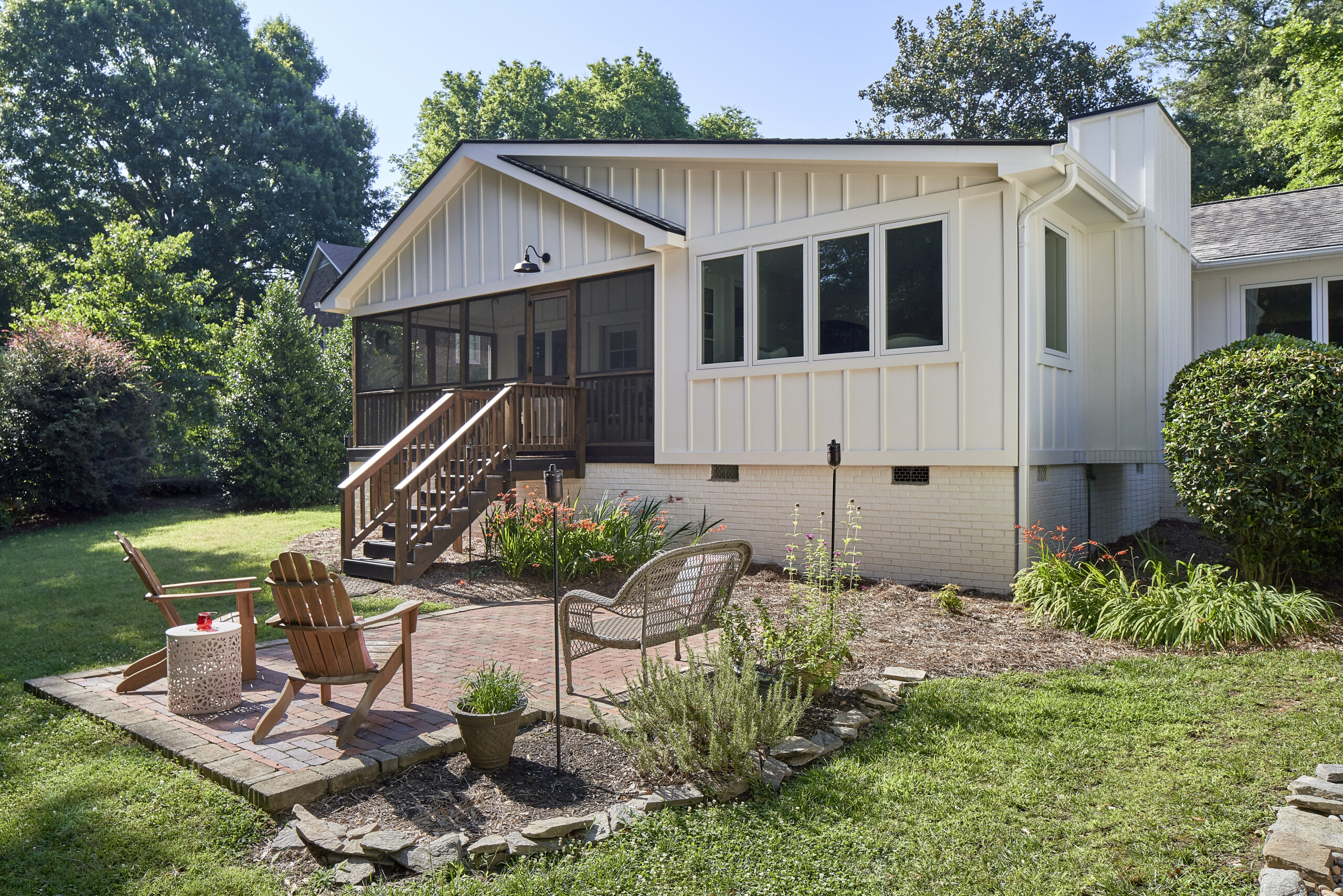
Sunrooms, screened porches, and outdoor living additions
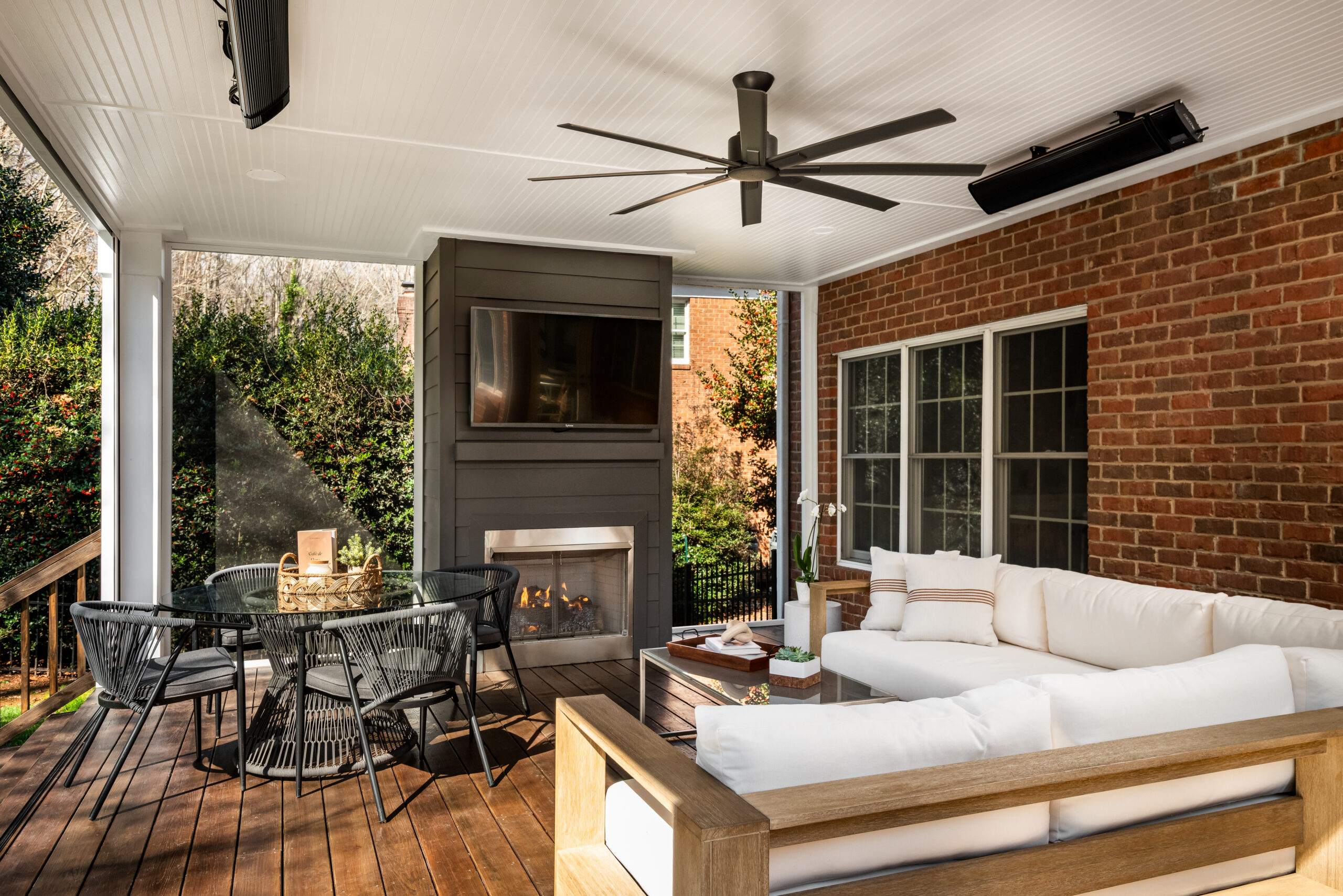
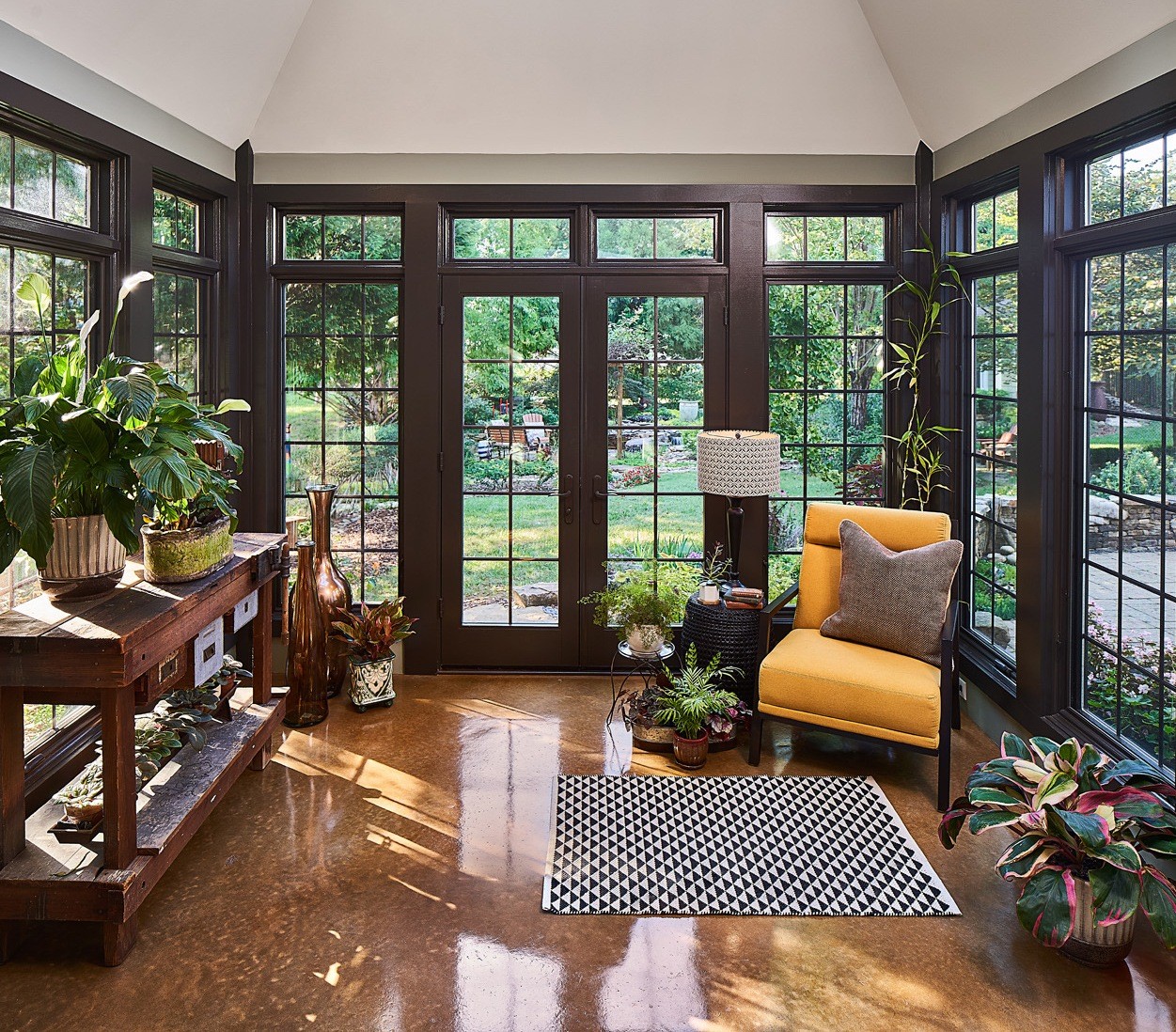
Charlotte weather makes shoulder-season outdoor space especially valuable. A four-season sunroom, a heated screened porch, or a covered outdoor kitchen extends how the family uses the home from March through November. We design these as true additions with proper foundations, conditioned envelopes where appropriate, and architectural integration with the existing roofline. For a deeper look at how four-season sunrooms compare to screened-in porches.
View ArticleBump-outs, mudrooms, and laundry additions
Not every addition is an entire wing. A modest bump-out can transform a cramped kitchen, give you a real mudroom, or relocate the laundry to the primary level. These projects move faster than full additions and often unlock the rest of the home without a full renovation.
Pro tip: If you are torn between an addition and selling, ask us to walk the home before you list it. We have shown families more than once this year that the addition they wanted would land them in a home they could not buy on the open market for a much larger investment than the project itself.
Permits, Codes, and Process in Mecklenburg County
Every meaningful home addition in Charlotte and Mecklenburg County requires a permit. The work touches structure, mechanical systems, and the building envelope, which means it falls squarely within the scope of the North Carolina Residential Code and the local plan-review process administered by Mecklenburg County Code Enforcement.
In practice, that means three things. First, your project gets reviewed for setbacks, height, lot coverage, and zoning by the City of Charlotte. Second, the building, mechanical, plumbing, and electrical drawings are reviewed by the County, with a target turnaround of about seven days for one and two-family dwellings. Third, every phase of construction is inspected, from footings to final, before we close it up.
Additions always require a licensed structural engineer because they connect to the existing home and change how loads travel down to the foundation. As a design-build firm, ReVision coordinates the engineer, the city, and the county, so you are not the project manager between them. We submit, we respond to comments, and we schedule the inspections.
Design-Build vs. the Old Way of Hiring Out an Addition
A design-build firm carries one contract for design and construction. The architect or designer, the project manager, the trades, and the warranty all sit under the same roof, which means a single point of accountability when decisions need to be made and a single team that has lived with your project from sketch to walkthrough.
The traditional alternative, design-bid-build, splits design from construction. You hire an architect, then bid the drawings out to general contractors, then negotiate scope when the numbers come back. That model can work, especially on highly custom estates, but it places the homeowner in the middle of every coordination question and frequently produces designs that have to be redrawn for the budget the bids reveal.
ReVision chooses design-build because it lets us cost the design as we draw it, and hold a fixed scope. For most additions in Charlotte, that single-team model is the difference between a project that runs and a project that stalls.
Featured ReVision Addition Projects
A few recent ReVision projects show what these ideas look like when they hit the ground in Charlotte neighborhoods.
Historic Plaza Midwood Home Addition
Plaza Midwood bungalows reward a careful hand. We added thoughtful living square footage to a historic home, matched original siding profiles and rooflines, and reconfigured the interior so the new wing reads as part of the original house, not a bolt-on.
See the full projectRoom to Grow in SouthPark
A growing family in SouthPark needed more square footage without losing the character of their original home. The expansion added space where the family lives most, with a layout designed to flex through the next decade as the kids grow up.
See the full projectADU of Dreams
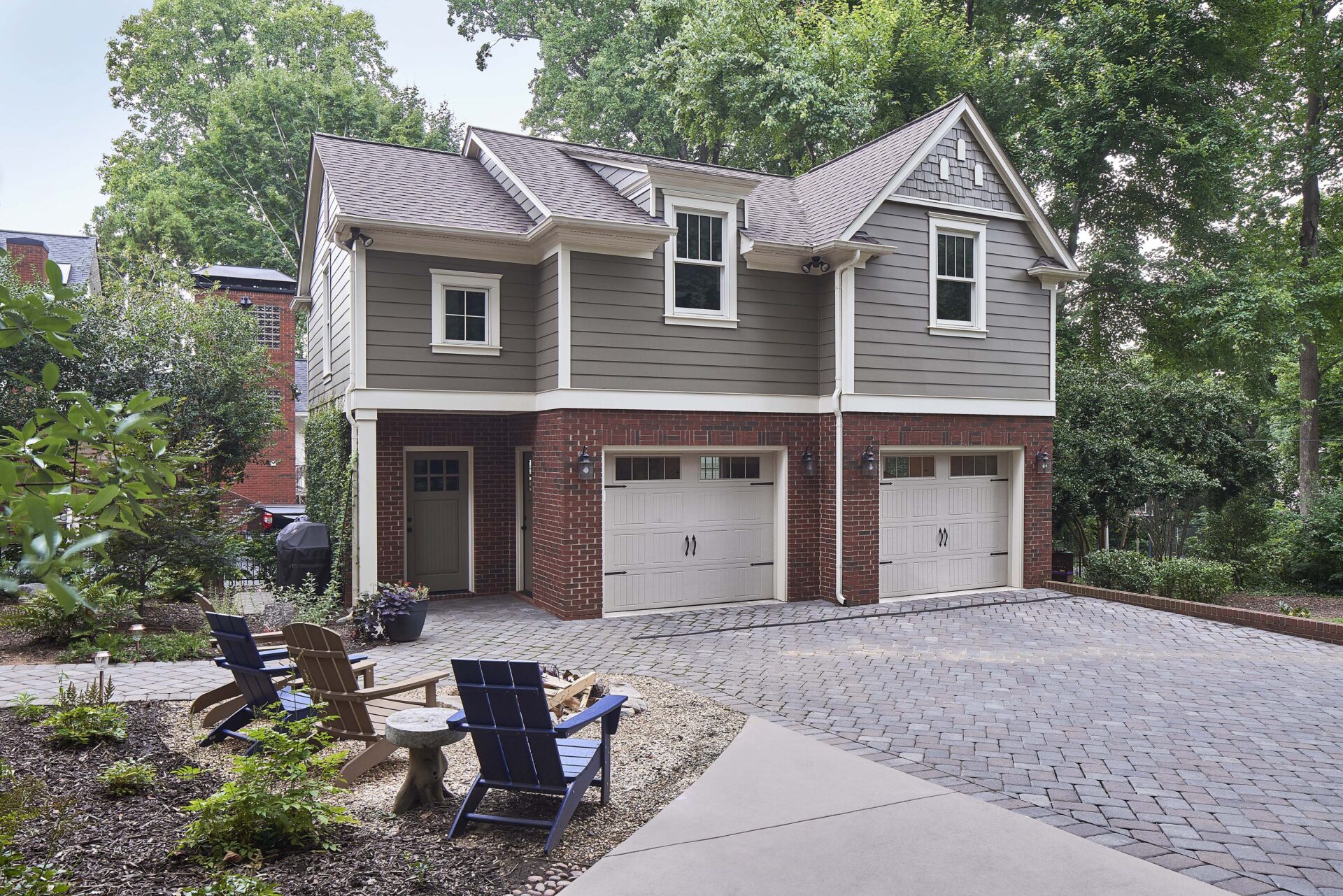
A detached accessory dwelling unit designed as a true secondary home, complete with kitchen, full bath, and a layout that works for visiting family today and rental flexibility tomorrow. The exterior was matched to the primary house so the lot reads as one cohesive property.
See the full projectSouth Front Porch Addition
A SouthPark front porch addition that reshapes how the home meets the street. New columns, a refined ceiling treatment, and a covered entry made the front of the home as livable as the back, and added curb appeal that compounds every time the family pulls in the driveway.
See the full project2026 Home Addition Trends Worth the Investment
Trends date quickly, but a few directions in 2026 are holding up because they solve real problems for the way Charlotte families live. For the broader picture across all renovation categories, see the renovation trends Charlotte homeowners are leaning into at https://revisioncharlotte.com/blog/2025-renovation-trends-charlotte-nc/
- Main-floor primary suites for long-term aging in place, with curbless showers, wider doorways, and zero-step entries built in from the start.
- Spa-style primary baths with freestanding tubs, oversized walk-in showers, dual vanities, and dedicated dressing areas.
- ADUs and detached suites as multigenerational solutions, helped along by the new City of Charlotte ADU program.
- Conditioned sunrooms and heated screened porches that turn three-season space into year-round space.
- Dedicated home office additions with sound isolation, separate HVAC zones, and a real entry separate from the rest of the house.
- Smart-home wiring and dedicated mechanical zones run during framing, when running them costs a fraction of a retrofit.
Use trends carefully. Bold finishes age fast; bones, layout, and proportion do not. We bias our recommendations toward the structural choices that quietly add value for a decade or more.
How to Choose a Charlotte Home Addition Contractor
Three questions separate a firm worth interviewing from a firm worth hiring.
- Can I see a recent addition that is similar in scope, vintage, and neighborhood to my home? A real portfolio with comparable work tells you more than a mood board ever will.
- Who handles the permit, the structural engineer, and the inspections? In a design-build relationship the answer is “we do,” and that one sentence saves you weeks of project management.
- How do you scope the project and handle changes? You want a fixed scope at signing, a clear change-order process, and a single point of contact who can answer for design, schedule, and budget without a phone tree.
Frequently Asked Questions
| Question | Answer |
| Do I need a permit to build a home addition in Charlotte? | Yes. Any addition that adds conditioned square footage, modifies structure, or extends mechanical, plumbing, or electrical systems requires a permit issued through Mecklenburg County Code Enforcement, with a zoning review by the City of Charlotte. ReVision pulls the permit, manages the plan review, and schedules every inspection on your behalf. |
| What shapes the investment in a Charlotte home addition? | Scope, square footage, layout changes, material selections, fixtures and technology, and site conditions are the six biggest drivers. Instead of guessing from averages, we walk the home, define the scope, and share a transparent investment range you can plan around. We never quote a number before we understand the project. |
| Is a home addition a good investment compared to moving? | For most of our clients the answer is yes, especially when the underlying land is appreciating, the school zone is stable, and a comparable move-up home would be a significant stretch. An addition keeps your equity in your neighborhood, lets you tailor the space to the way you actually live, and avoids the transaction costs of selling and buying. |
| Can you add a second story to my Charlotte home? | In many cases, yes. A second-story addition has to work with the existing foundation and load paths, the lot must allow the height under the city zoning rules, and the original framing has to be evaluated by a structural engineer. We start with a feasibility review before we ask you to commit to a full design. |
| What is the difference between a home addition and an ADU? | A home addition expands your existing home, sharing systems, walls, and entries with the original structure. An ADU is a separate, self-contained living space with its own kitchen, bath, and entrance, either attached or detached. Both add livable square footage; they answer different questions about privacy, independence, and use. |
| Will my home stay livable during construction? | For most additions, yes. We seal off the work zone with temporary walls, control dust, and stage the demolition so your kitchen, bedrooms, and main systems stay functional. For larger second-story or whole-home additions, we discuss whether a temporary move makes sense before construction starts. |
| What is the best way to get started? | Start a conversation with our team. We will spend time understanding the home, the family, and the goals before we propose a path forward. From there we walk you through our design-build process so you know exactly what to expect at each stage. |
Ready to Expand Your Home?
If your home is the right home in the right neighborhood and you are ready to make it the right size, we would love to talk. ReVision has spent more than two decades designing and building additions across Charlotte, and our design-build model means one team, one contract, and one point of accountability from sketch to walkthrough.
Start a conversation at