



X

Life After the Remodel: How to Get Organized (and Stay That Way)

May 6, 2026 - Whole Homes

The dust has settled. The finishes are in place. Your newly remodeled space looks exactly how you envisioned it.

And then comes the part no one really talks about: putting everything back.

At ReVision Design + Build, our job is complete when construction wraps (for the most part)—but for homeowners, there’s still one important step left. Unpacking, organizing, and creating systems that actually work in your new space can make or break how your remodel functions long-term.

To help guide this phase, we connected with professional organizer Anne Steppe of Step by Steppe Organizing to understand what homeowners should be thinking about after a remodel—and how to avoid common pitfalls.
Start With Strategy, Not Stuff

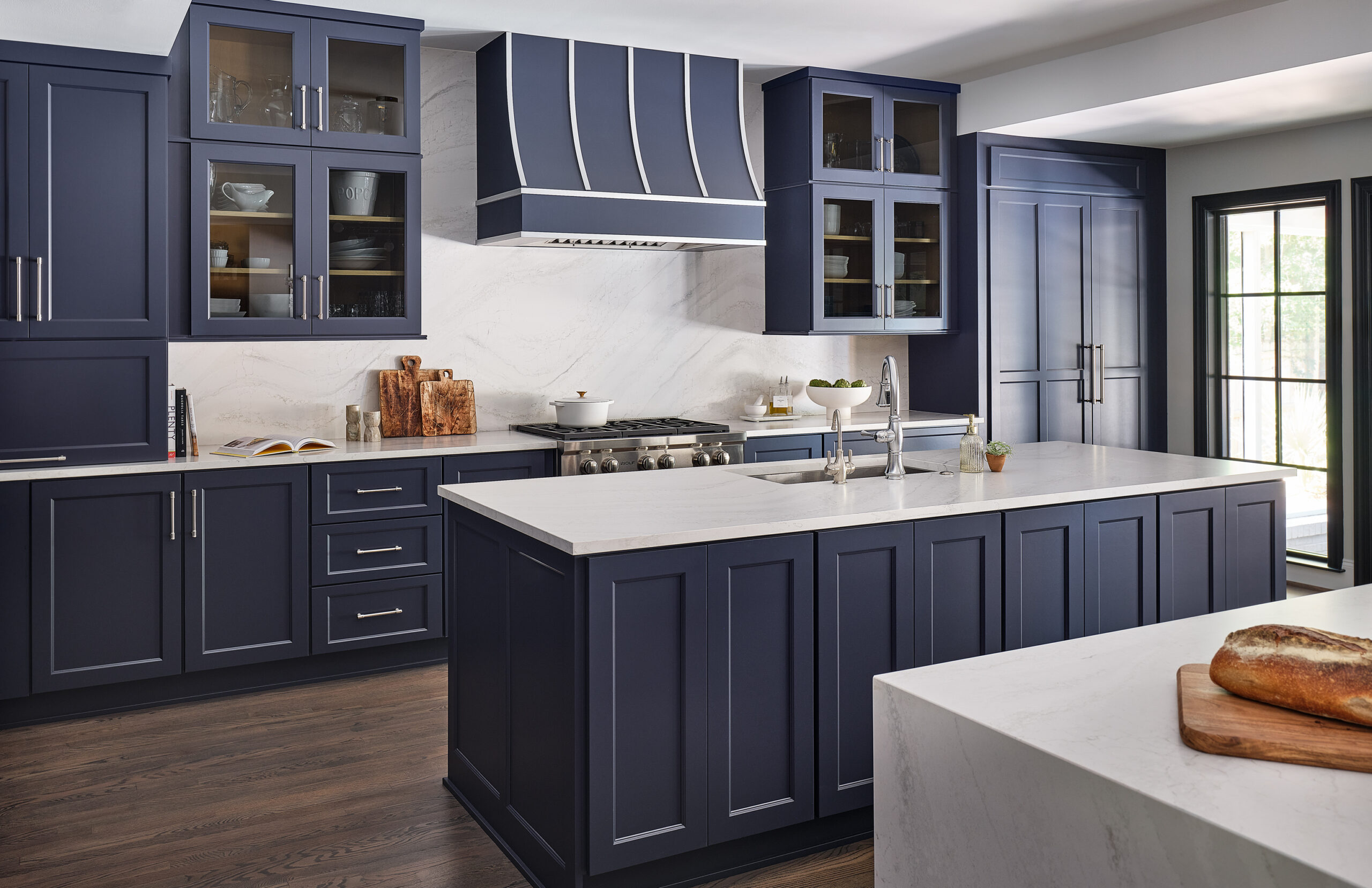
blue kitchen remodel

One of the biggest mistakes homeowners make? Jumping straight into putting things away.

Before anything goes back into cabinets, drawers, or closets, take a step back and ask: How do I want this space to function?

A newly remodeled space is a blank slate. It’s an opportunity to create systems that support your daily routines—not just recreate what you had before. As Anne puts it, this is the moment to think about “the most efficient use of the space,” not just filling it.

A simple but highly effective trick: label cabinets and drawers with sticky notes before you begin. It forces you to think through placement and prevents the need to redo everything later.

Edit Ruthlessly Before You Unpack

A fresh space does not automatically make old items useful.

One of the most consistent challenges Anne sees is homeowners holding onto items they didn’t use before the renovation—and won’t use now.

If you didn’t reach for it before, it’s unlikely to earn a spot in your new kitchen or closet. Letting go of unused items isn’t just about decluttering—it’s about protecting the functionality of your new space.

Think of it this way: every item you keep should justify the real estate it takes up.

Go One Space at a Time

If your remodel included multiple areas—or even your entire home—it can be tempting to tackle everything at once.

Don’t.

Trying to organize multiple spaces simultaneously often leads to overwhelm and unfinished systems. Instead, focus on completing one area at a time—from start to finish—before moving on.

This approach allows you to:

  • Build momentum
  • Make better decisions
  • Create fully functional systems instead of temporary fixes

Focus on the Spaces That Matter Most

Certain areas tend to need the most attention after a remodel—especially kitchens, pantries, and bedroom closets.

Kitchen

A well-designed kitchen only works if it’s organized to support how you cook and live.

A few guiding principles:

  • Keep everyday items within easy reach
  • Don’t be afraid to adjust placement after a few weeks
  • Prioritize flow over perfection

Your kitchen should evolve slightly once you start using it—that’s part of the process.

Pantry

Visibility is everything.

Clear bins or labeled containers help you quickly see what you have, reducing overbuying and keeping everything accessible.

Pro tip: don’t sacrifice prime, everyday space for items you use once a year. Store seasonal or rarely used items higher up or out of the way.

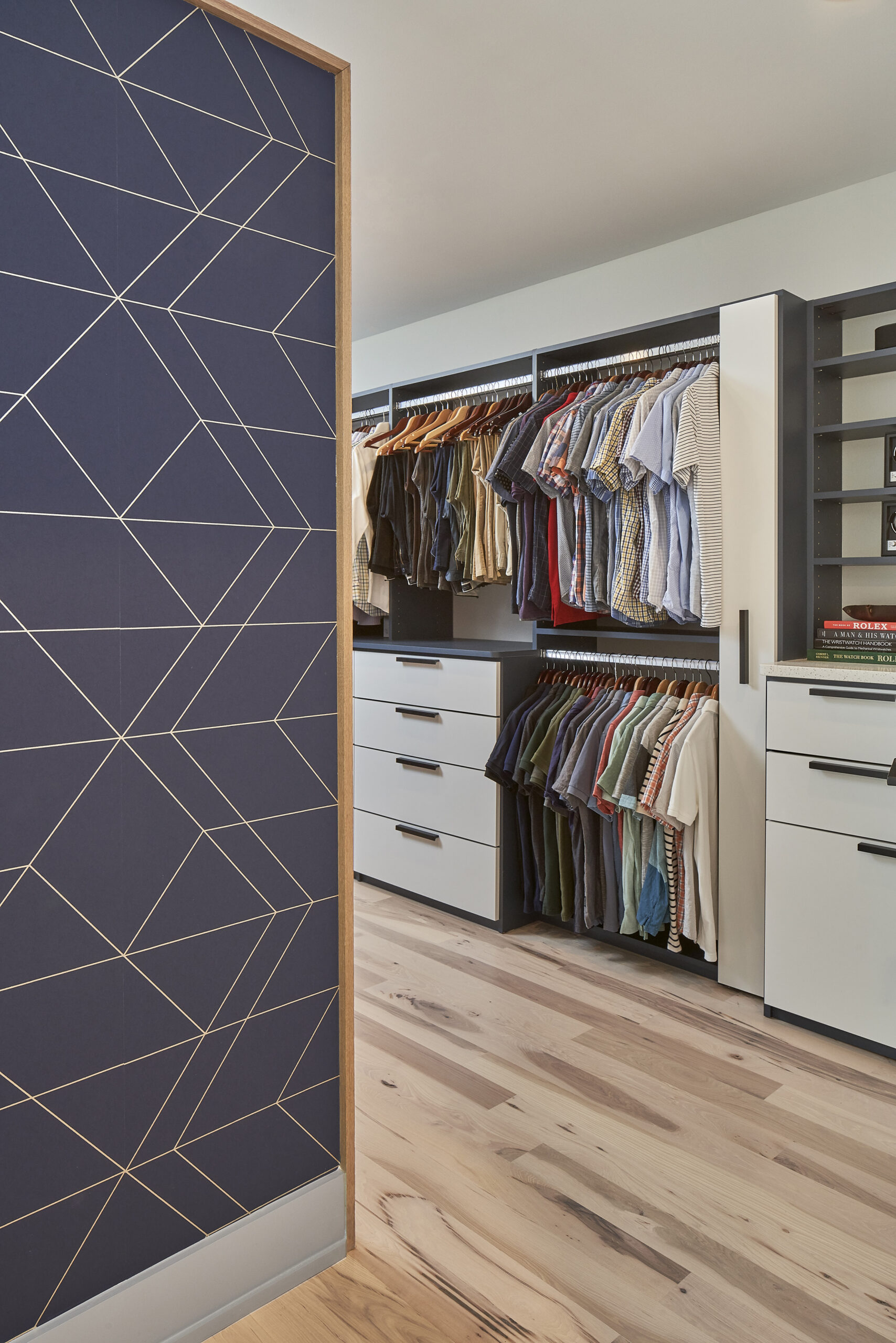
Closets

Closets benefit from the same mindset: function first.

Group like items, create zones, and give everything a defined home. The more intuitive your system, the more likely it is to stay organized.

Use Tools to Support Your Systems

Organization isn’t just about intention—it’s about execution.

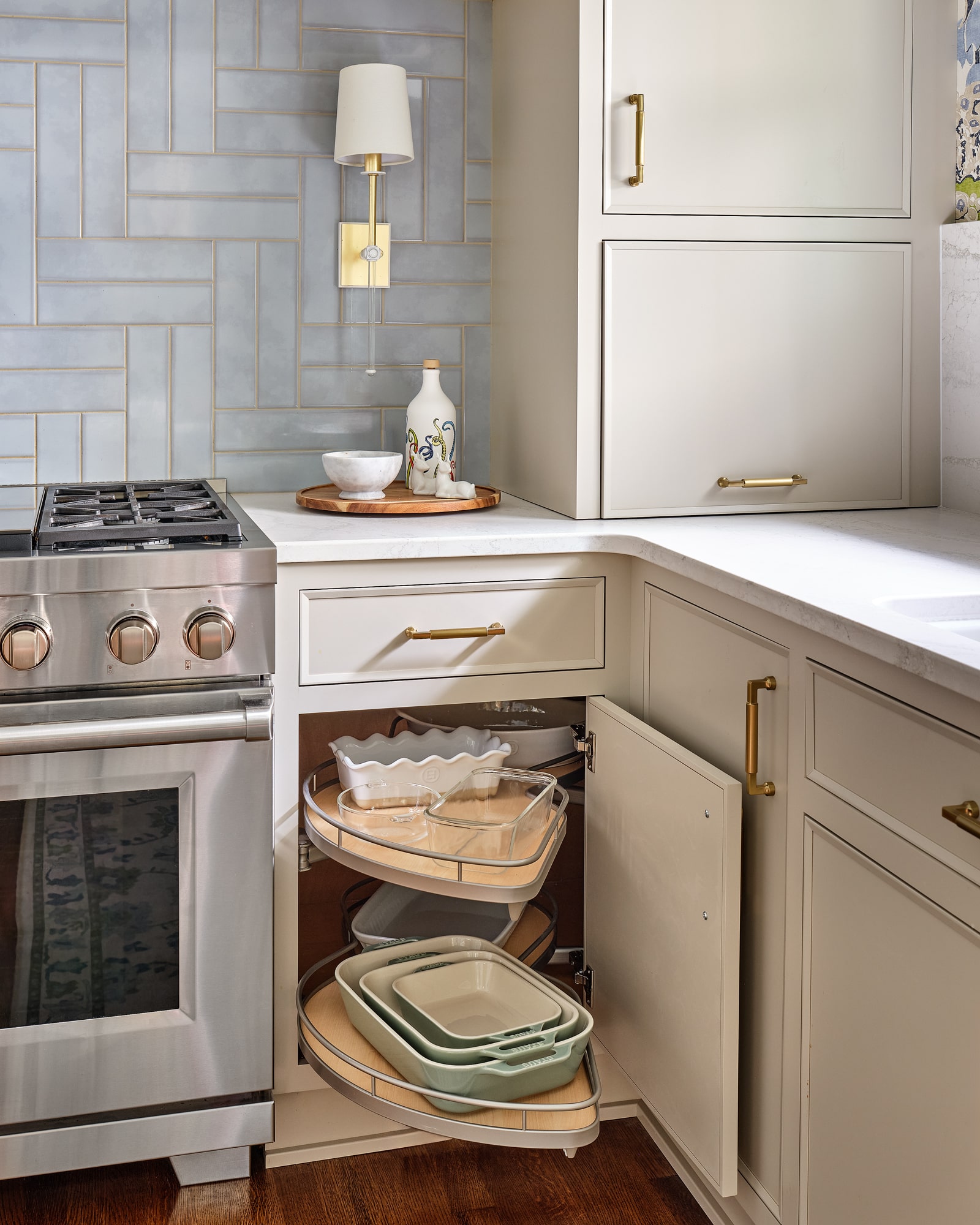
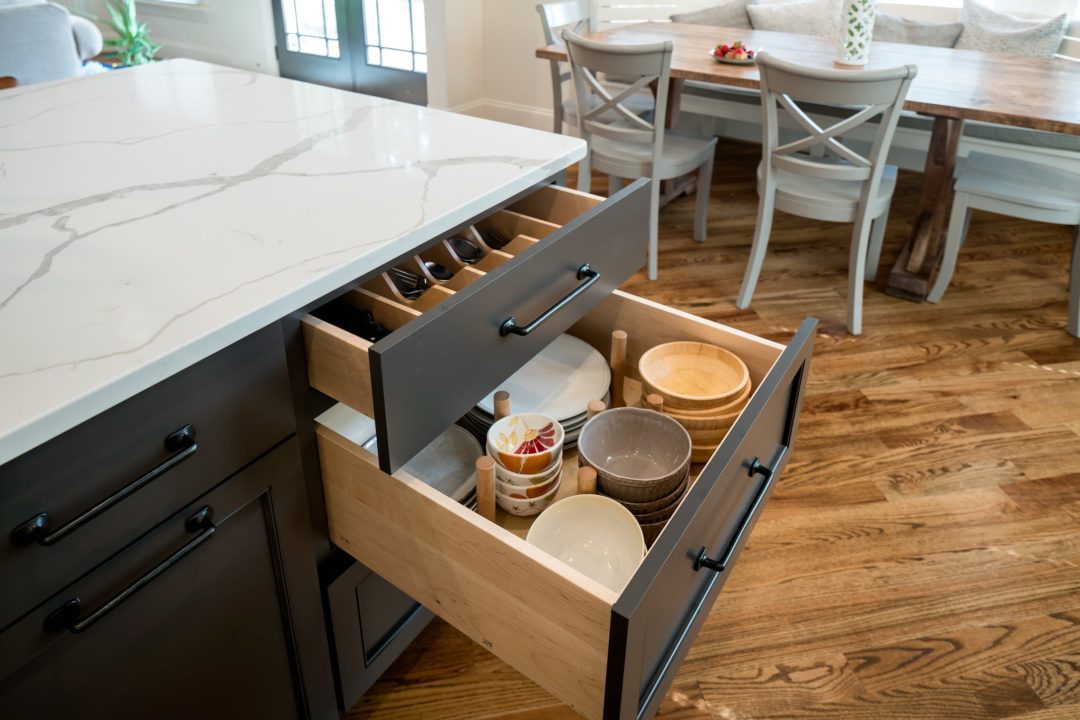
Drawer dividers, bins, and turntables (like lazy susans) can dramatically improve how your space functions, especially in kitchens and pantries.

That said, timing matters.

Wait until your space is complete—and measured—before investing in organizational products. Buying too early often leads to items that don’t fit or don’t serve your layout properly.

lazy susan storage

Be Mindful of What You Bring Back In

Post-remodel is the perfect time to reset habits—not just spaces.

For example:

  • Avoid overstocking bathrooms with duplicate products
  • Only replace items when you’re truly running low
  • Let go of items that didn’t work for you (even if they were expensive)

Holding onto excess doesn’t add value—it adds clutter.

Give Yourself Permission to Adjust

No system is perfect on day one.

After living in your space for a few weeks, you may realize certain things don’t flow as well as expected—and that’s completely normal. Adjust, refine, and make the space work for you.

The goal isn’t perfection. It’s functionality that fits your lifestyle.

When to Bring in a Professional

If organizing feels overwhelming—or if you want to maximize your investment—a professional organizer can be a valuable partner.

They bring an outside perspective, efficient systems, and the ability to blend function with aesthetics. And because they’re not emotionally tied to your belongings, they can make decisions more objectively and efficiently.

Many homeowners find it especially helpful to bring in an organizer:

  • Before a remodel (to declutter and plan)
  • After a remodel (to fully implement systems)

The Final Step of a Successful Remodel

A beautifully remodeled space is only as good as how it functions day-to-day.

At ReVision, we design spaces to improve how you live—but the final layer is how those spaces are organized and used. Taking the time to thoughtfully unpack, edit, and create systems ensures your home doesn’t just look better—it works better.

And that’s what makes a remodel truly complete.


Ready to Start?

If you’re planning a remodel—or just finished one—and want guidance on creating a space that functions as beautifully as it looks, our team is here to help. We’re happy to connect you with trusted partners like Step by Steppe Organizing to support you every step of the way.